Stroke Facts & Statistics
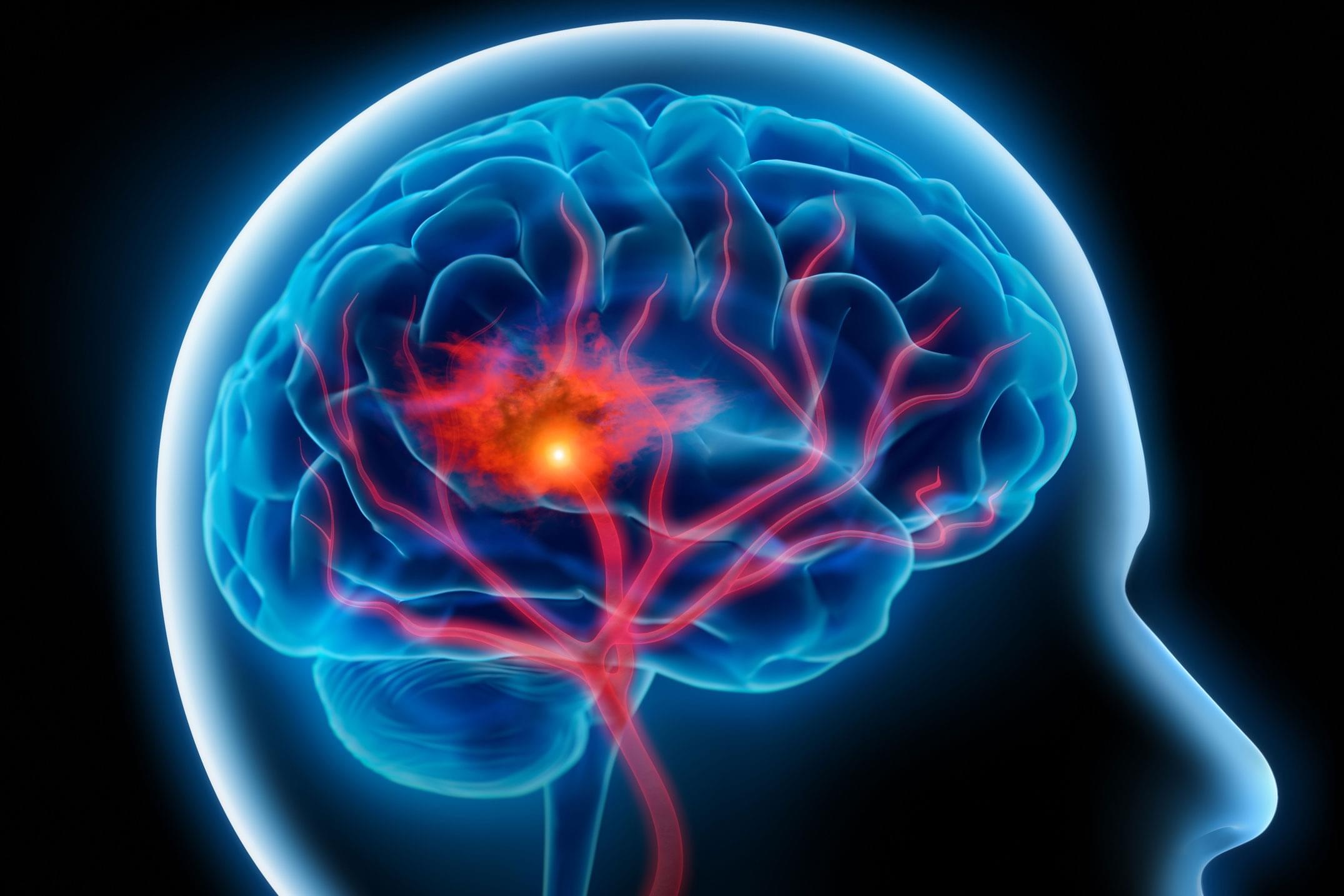
A stroke, sometimes referred to as a brain attack, primarily occurs when the blood supply to the brain is blocked by a clot or tear in a blood vessel. There are 2 types of stroke called Ischemic and Hemorrhagic. Learn about Ischemic and Hemorrhagic Strokes, as well as TIA Strokes.
Stroke Risk Factors
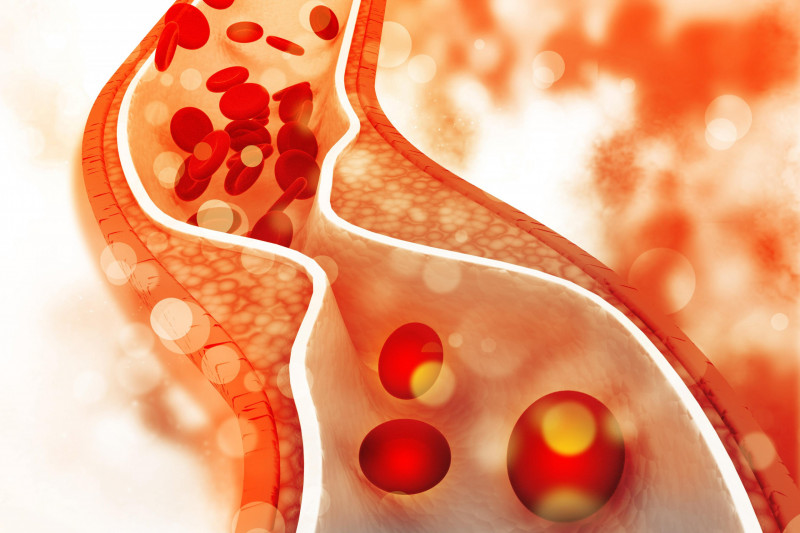
Learn about the 3 major risk factors to stroke, High Blood Pressure, High Cholesterol, and Smoking, and what you can do to manage these risk factors.
Healing Journey: Essential Booklets for Stroke Recovery
Free post stroke therapy booklets for stroke survivors and their families. If you are seeking rehabilitation tips, lifestyle adjustments, emotional support, or ways to prevent future strokes, we are here to empower you. These booklets by three time stroke survivor Deb Shaw, will provide the knowledge and resources you need to regain independence and enhance your quality of life.
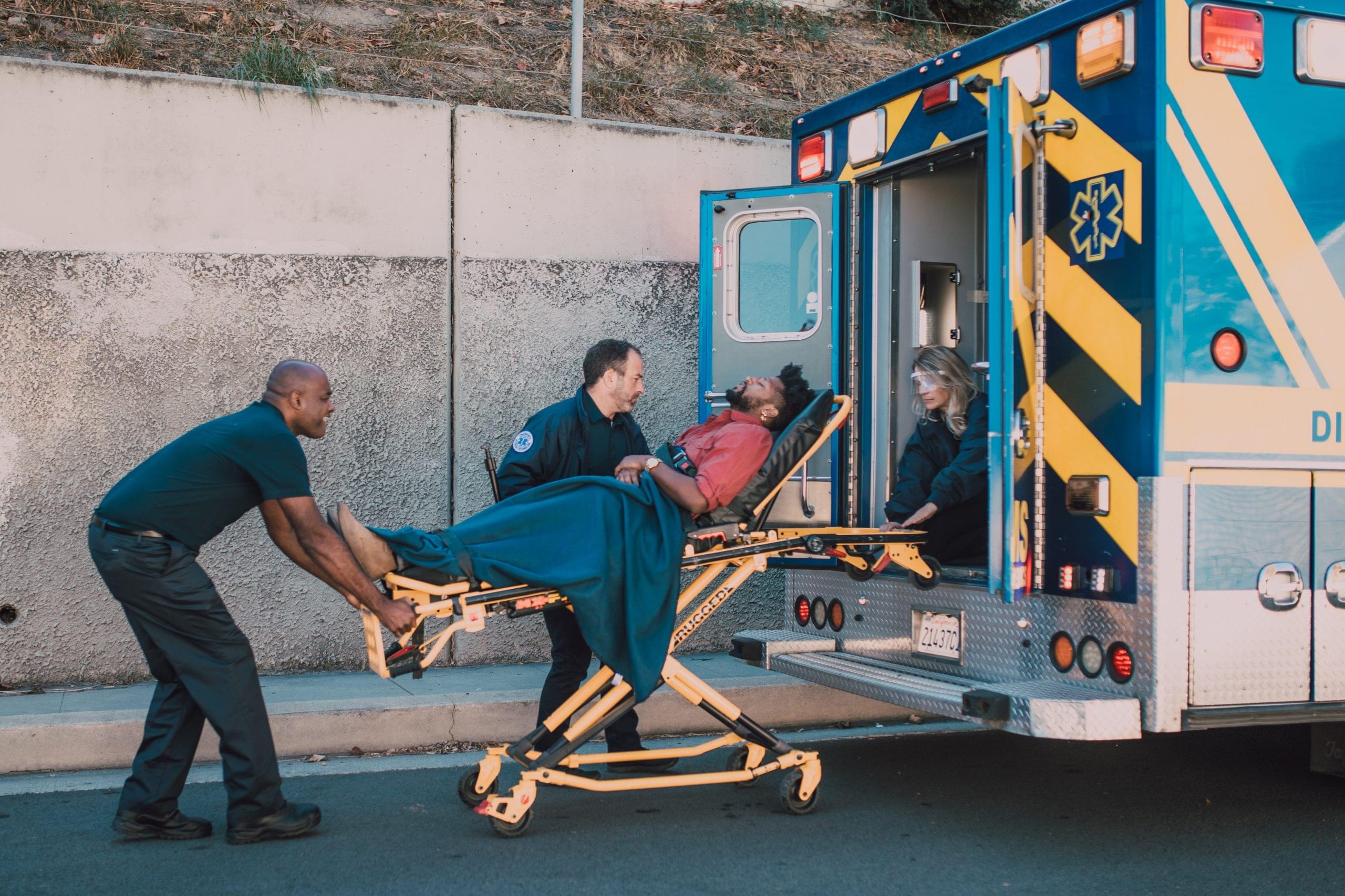
Call 911 When Having a Stroke
DURING A STROKE: BE FAST - CALL 911 IMMEDIATELY. In case of stroke every minute counts. In one second 32,000 brain cells die. In the next 59 seconds an ischemic stroke can kill 1.9...

The Role of Technology in Stroke Prevention and Recovery
Advancements in the field of science and technology give rise to more effective tools for disease prevention and recovery. Learn about stroke and its management through technology.

Aphasia and Stroke
Stroke and head injuries are the most common causes of aphasia- loss of ability to understand or express speech. Having a family member experience a serious health issue and a lose their ability to communicate can be unsettling for adults and especially children. Here are helpful tips on how to communicate with individuals experiencing aphasia.

How to Reduce Stroke Risk
Here are some steps you can take to understand and minimize your stroke risk factors that can be controlled. Work with your Doctor Work closely with your Health Care Professional to control...

Stroke Signs & Symptoms
Learn the signs of stroke and the acronym BE FAST to quickly identify stroke signs. Learn what to do if you or a loved ones has a stroke.
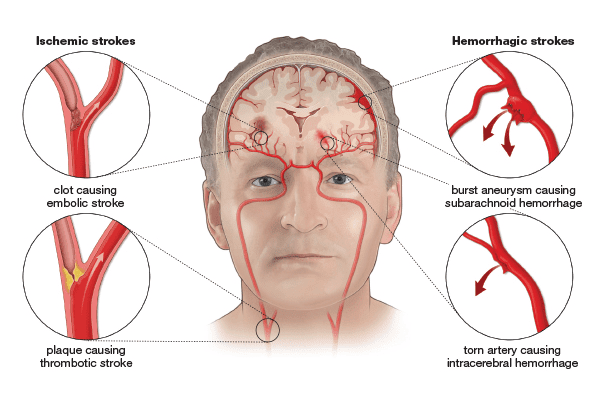
Hemorrhagic Stroke Treatment
Hemorrhagic Stroke Treatment A hemorrhagic stroke occurs when a weakened blood vessel ruptures and spills blood into brain tissue. The most common cause for the rupture is uncontrolled hypertension (high blood pressure). There are two...
Ischemic Stroke Treatment
An ischemic stroke occurs as a result of an obstruction within a blood vessel supplying blood to the brain. It accounts for 87 percent of all stroke cases. Treatment for ischemic stroke involves the...

Santa Clara County Stroke Centers
All 10 hospitals in Santa Clara County are currently certified stroke centers by the Joint Commission Primary Stroke Certification Program or DNV. Learn about the our Primary Stroke Centers, Comprehensive Stroke Centers, and Thrombectomy-Capable Stroke Center.

Depression & Stroke
Learn how depression not only affects your brain and behavior, but your entire body. Stroke survivors who are depressed may be less likely to follow treatment plans and may be more irritable or have changes in personality.

Santa Clara County Stroke Support Groups
Get connected to your local stroke support groups in Santa Clara County. The Pacific Stroke Association has full comprehensive list of local Stroke Support Groups and many resources for stroke survivors and their caregivers.

Keep STRESS at a DISTANCE
Your wellbeing and emotional resilience is essential as we work to help our community through the COVD-19 outbreak. High levels of Stress, Depression and Anxiety significantly increase a risk of a Stroke. Stroke remains to...
9-1-1 Improves Chances for Timely Treatment of Stroke
The Centers for Disease Control and Prevention (CDC) reports that stroke kills someone every four minutes. It’s also the leading cause of serious long-term disability in the United States. Equally important is recognizing that stroke...

Primary vs. Comprehensive Stroke Center
Primary Stroke Center (PSC) Primary Stroke Center Certification recognizes hospitals that meet standards to support better outcomes for stroke care. Standards include: A dedicated stroke-focused program Staffing by qualified medical professionals...